
Female Athlete Injuries: The blueprint wasn't drawn with you in mind.
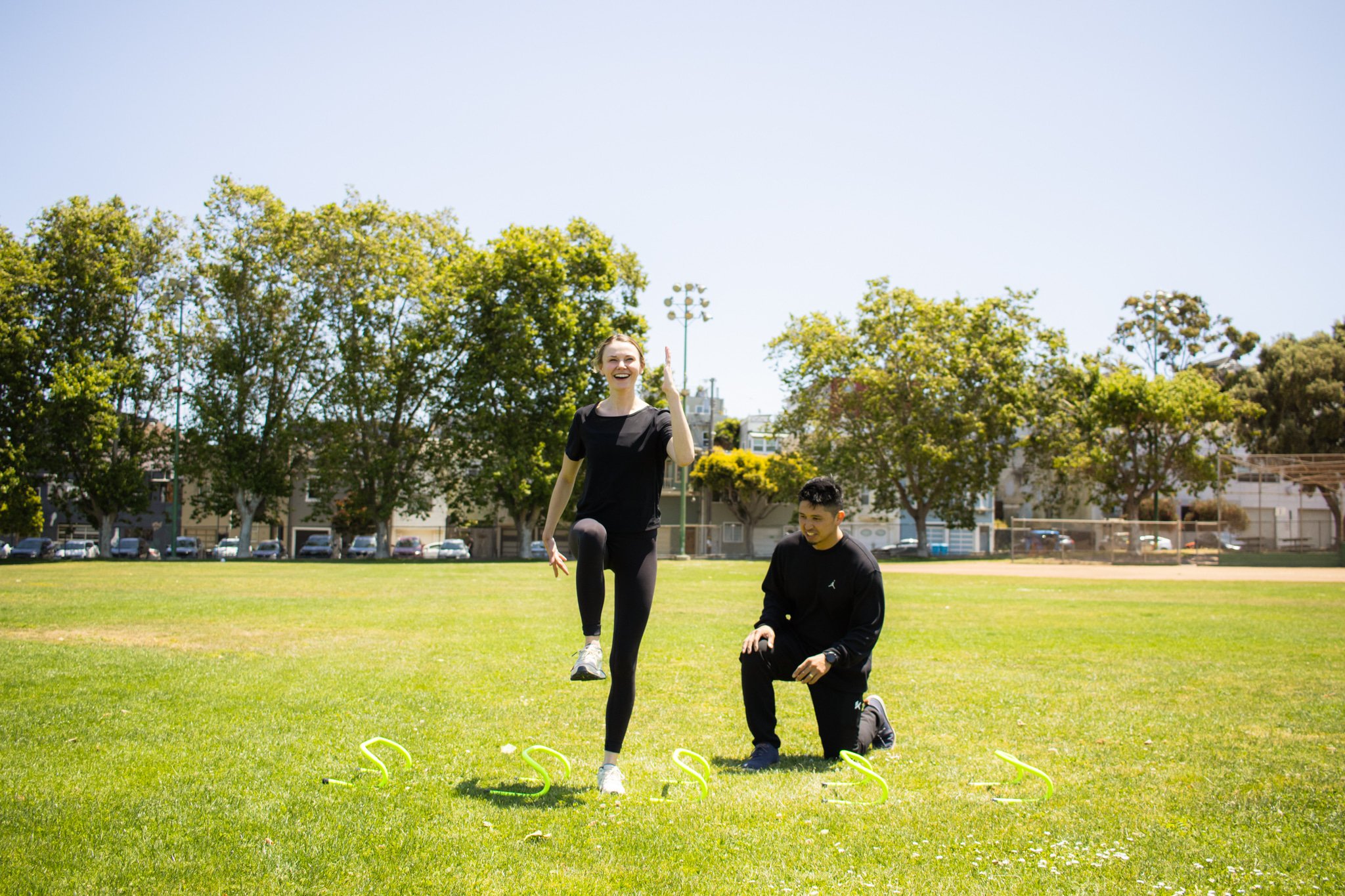
The blueprint for athletic training wasn't drawn with you in mind.
It's time to work from a better one.
Most injury prevention advice was written for men, tested on men, and handed to women without a second thought. That gap has real consequences, and if you've dealt with recurring injuries, slow recovery, or pain that just won't quit, you may already know what they feel like.
What Female Athlete Injuries Really Mean
Female athletes are two to eight times more likely to tear their ACL than their male counterparts. They're also at higher risk for stress fractures and overuse conditions like patellofemoral pain syndrome also known as “runner’s knee”. These aren't just bad luck, they're often the result of anatomical differences and training programs that weren't designed with women in mind.
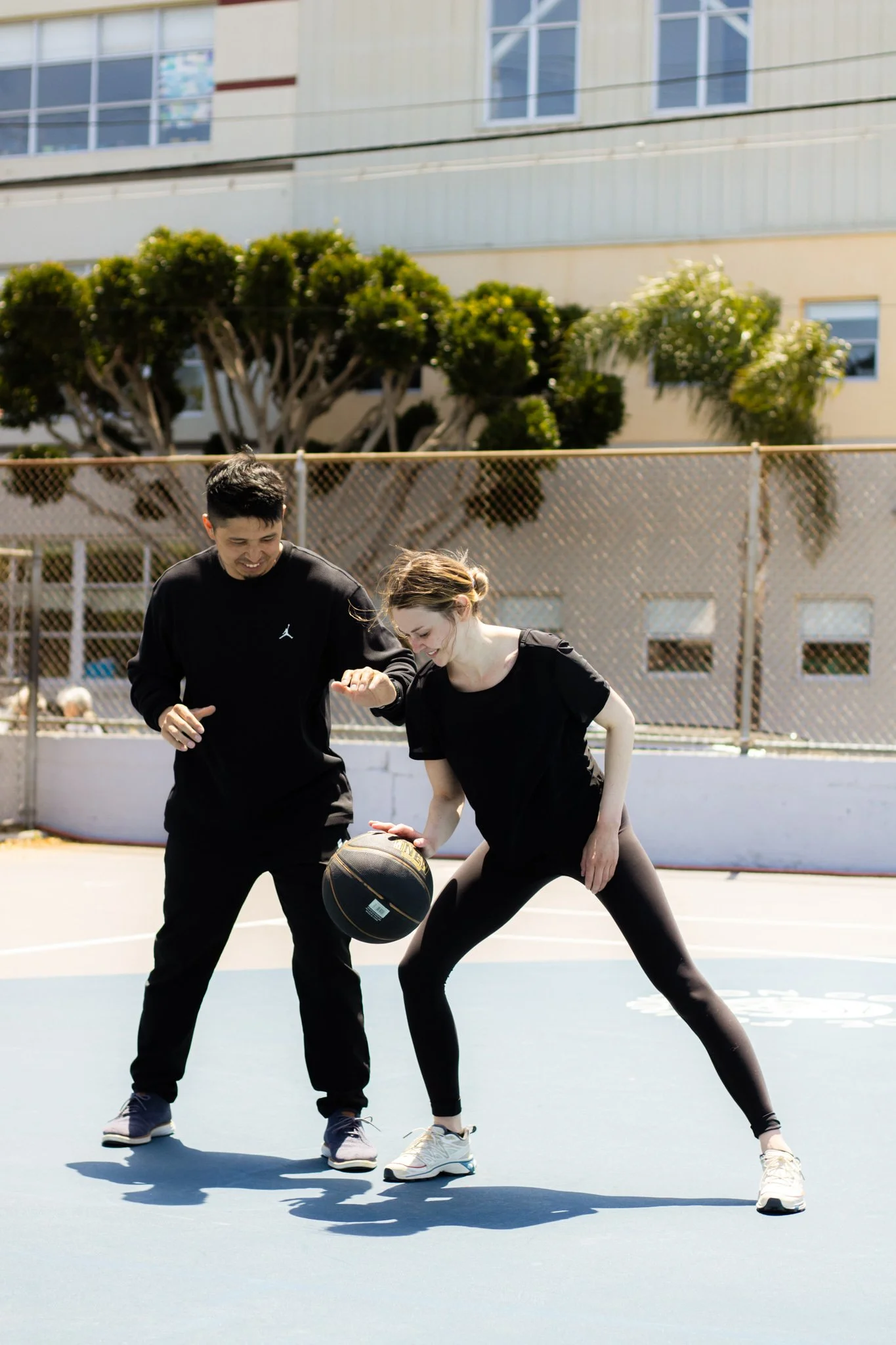
When these patterns go unaddressed, small issues compound. A tight hip flexor becomes a stressed IT band. A minor knee complaint becomes a season-ending injury. The body is incredibly adaptive, but it adapts to dysfunction just as readily as it adapts to strength.
We see this all the time: a marathon runner who’s been told to “just rest” for the third season in a row, a soccer player dealing with persistent knee pain every time she ramps up her training, or a recreational weightlifter whose hip keeps flaring up no matter what she tries. The missing piece is understanding why it keeps happening.
How We Address It at Graspmore
Once we understand what's driving the pattern, we build a personalized plan to help you move better and stay in the game. This might include:
Identifying movement patterns that put extra stress on your joints: hip drop, which is when your pelvis tilts to one side during single-leg movements (think running or lunging) which quietly overloads the knee. Or uneven loading, where one side of your body is doing more work than the other without you realizing it.
Strengthening the glutes, hips, and deep core: these muscles are most commonly underactive in female athletes, and often the root cause of knee, hip, and lower back issues.
Retraining how you land and slow down: ACL tears most often happen during deceleration (think stopping suddenly after a sprint, or landing from a jump). The good news: how you decelerate is a skill, and it’s very trainable.
Hands-on work to release soft tissue tension and improve joint mobility, because sometimes the body just needs a reset before it can move well again.
The goal isn't just to get you out of pain, it's to make sure you're building a body that can handle everything you're asking of it, for the long haul.
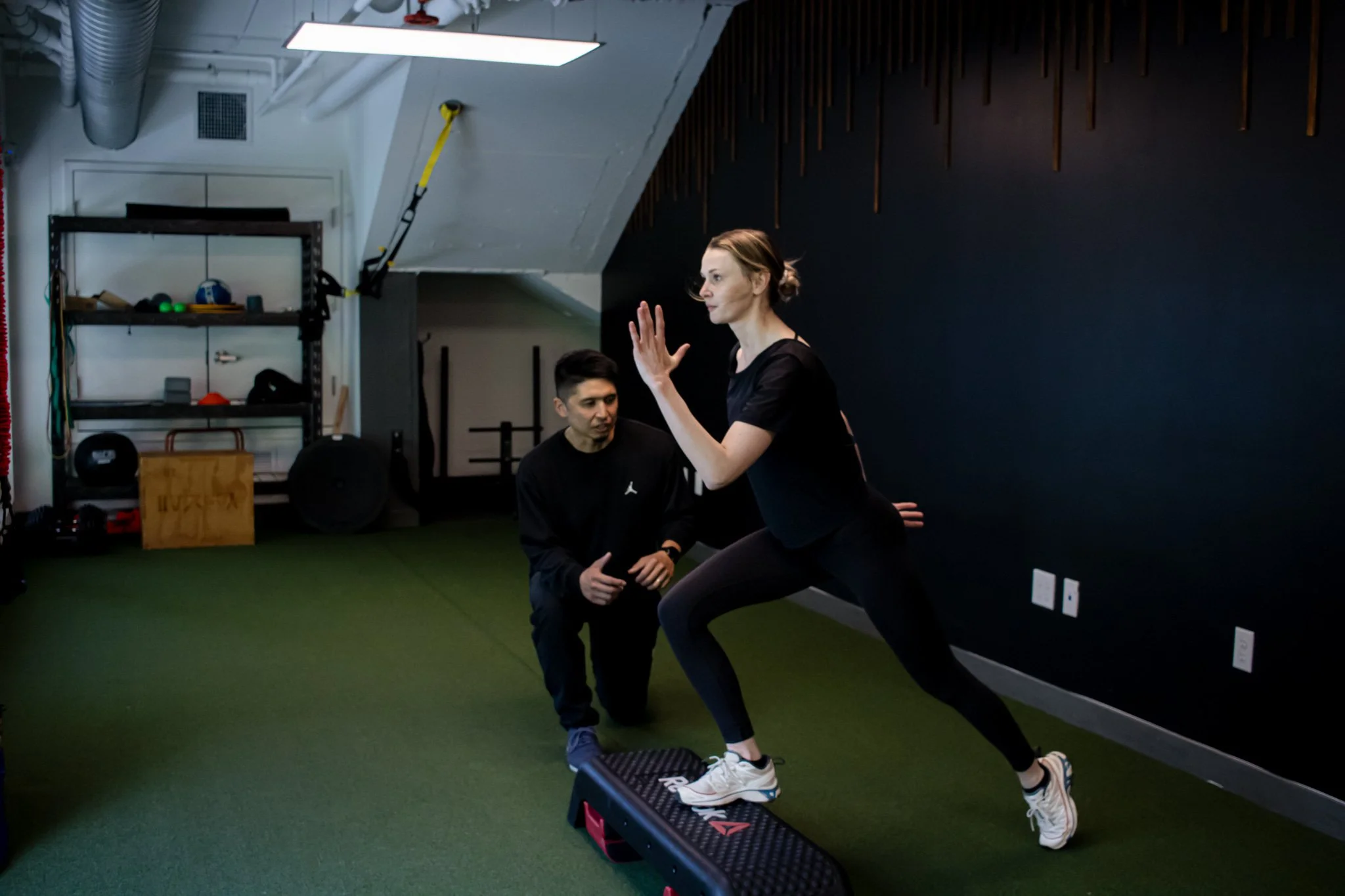
Taking the First Step
Without intervention, injury patterns in female athletes tend to repeat, train, get hurt, rest, repeat. At Graspmore, we work with runners, team sport athletes, gym-goers, and everything in between; helping active women break that cycle by addressing the root cause, not just the symptom. Whether you’re dealing with something new or something that keeps coming back, we can help you figure out why and build a smarter path forward.
Ready to Train Smarter, Not Just Harder?
Book your personalized assessment with Graspmore today. You've put in the work, now let's make sure your body is set up to support it.
Citations
1) Renstrom P, Ljungqvist A, Arendt E, et al. The female ACL: Why is it more prone to injury? J Orthop. 2016;13(2):A1–A4. doi:10.1016/S0972-978X(16)00023-4.
2) Johns Hopkins Medicine. Female athletes: common sports injuries and prevention. Accessed May 29, 2026. https://www.hopkinsmedicine.org/health/conditions-and-diseases/sports-injuries/female-athletes-common-sports-injuries-prevention
3) Ivković A, Franić M, Bojanić I, Pećina M. Overuse injuries in female athletes. Croat Med J. 2007;48(6):767–778. doi:10.3325/cmj.2007.6.767.