
Strength Training: Are You Overcomplicating It?
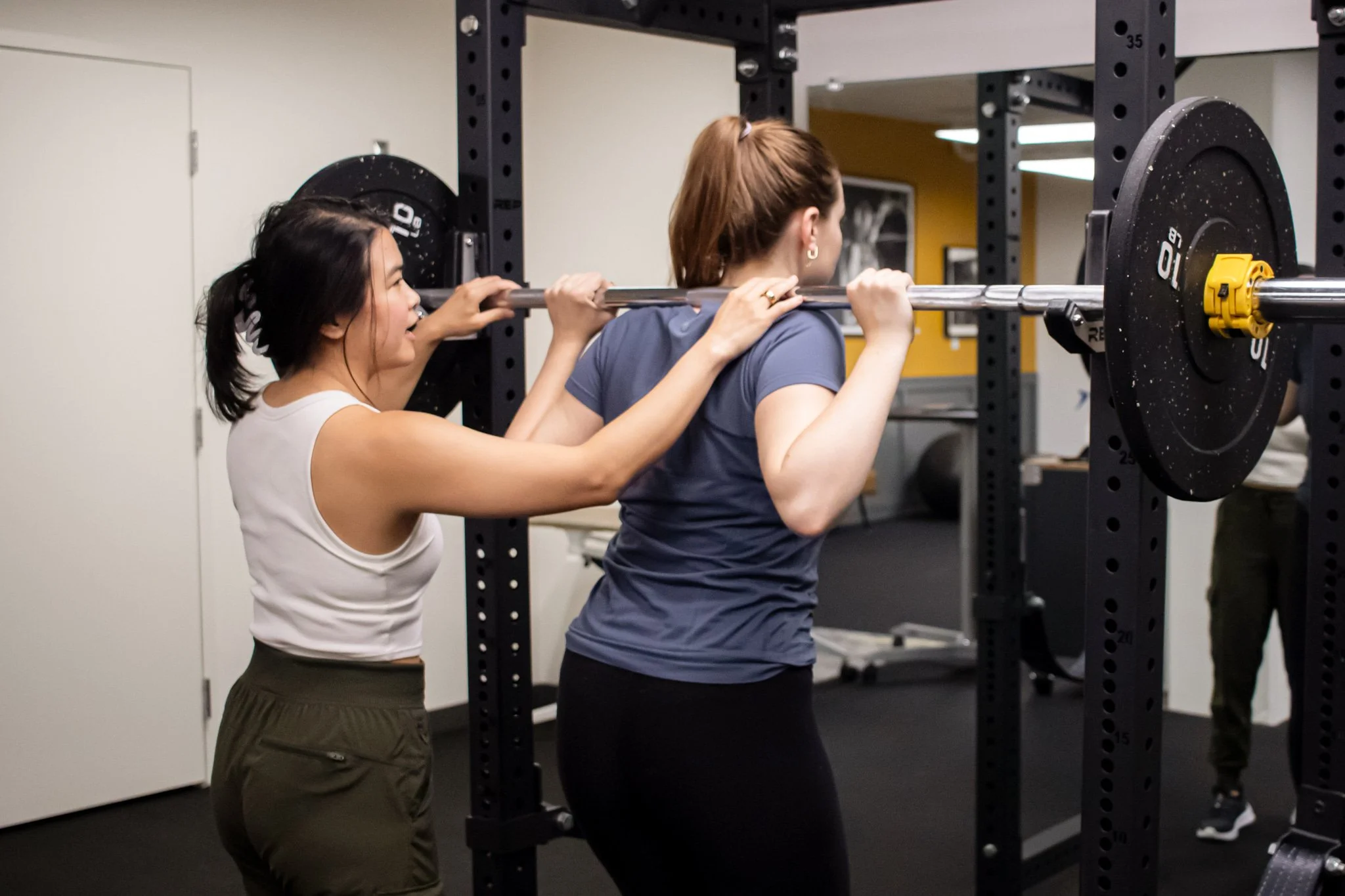
If you’ve ever questioned whether you’re doing the “right” workout, you’re not alone.
A recent update from the American College of Sports Medicine (ACSM), reviewing over 130 studies and 30,000+ participants, provides some clarity on what actually matters when it comes to resistance training.
The main takeaway:
👉 Consistency matters more than perfection.
Why Strength Training Matters
Resistance training has been shown to improve:
Muscle strength
Muscle size
Power and endurance
Balance and coordination
Walking speed and overall physical function
Whether your goal is to stay active, get back to the gym, or perform at a higher level, strength training is one of the most effective ways to support long-term health and performance.
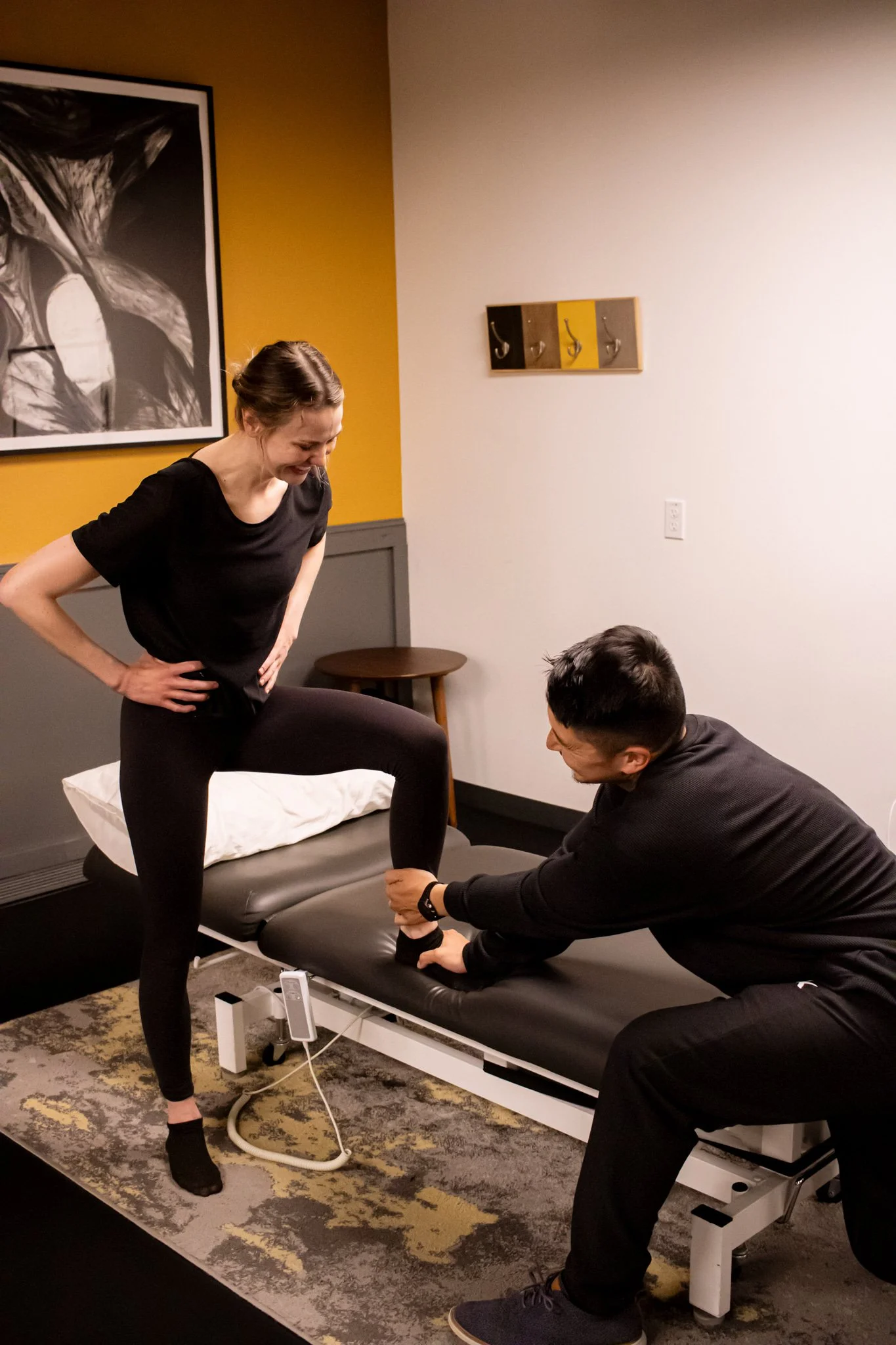
At Graspmore PT, we view all of our patients as everyday athletes—and strength training is a key part of helping you move better, feel stronger, and stay active doing what you love.
How to Train Based on Your Goals
While consistency is the most important factor, certain approaches can help depending on your goals:
Strength
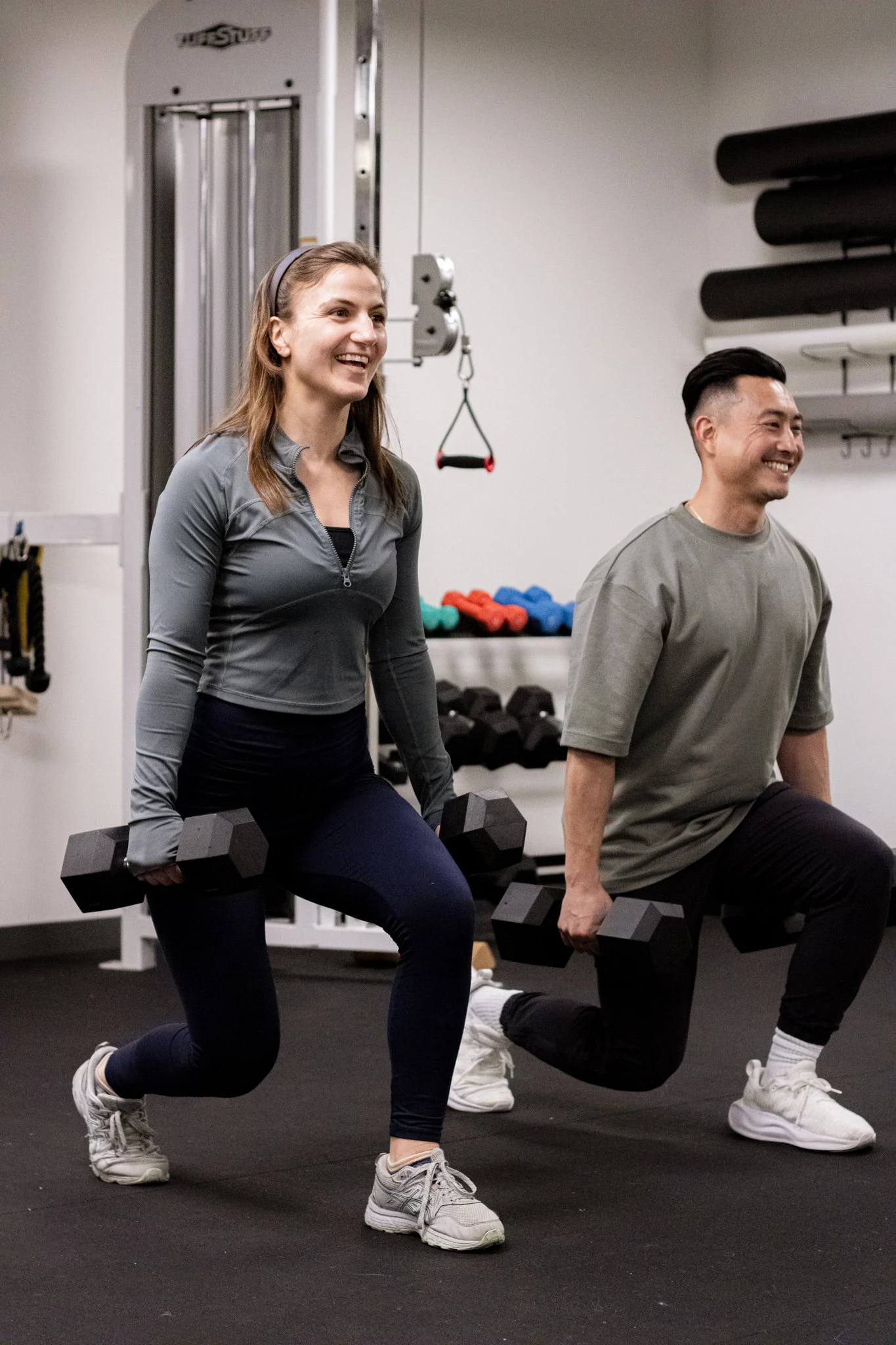
Use heavier loads
Train through a full range of motion
Perform 2–3 sets
Train at least 2x/week
Muscle Growth
Focus on total volume
Aim for ~10+ sets per muscle group per week
Control the lowering portion of each rep
Power
Use moderate weights
Move quickly during the lifting phase
Keep volume lower
Physical Function
Standard strength training improves balance, walking, and daily movement
Adding faster, power-based movements may provide additional benefits
What Doesn’t Matter As Much
The updated guidelines also highlight several factors that don’t significantly impact results:
Training to failure
Free weights vs. machines
Time of day
Rest between sets
Specific tempo
Advanced programming methods
👉 You don’t need a perfect program to see results.
The Bigger Picture
Previous guidelines placed more emphasis on specific protocols, which may have made strength training feel overly complicated or intimidating.
This updated approach emphasizes that:
👉 Any form of resistance training—when done consistently—can lead to meaningful improvements.
This includes:
Gym-based training
Home workouts
Resistance bands
Circuit-style programs
Strength training is also safe across all ages and plays an important role in maintaining both performance and longevity.
How Physical Therapy Can Help
At Graspmore PT, we bridge the gap between rehab and performance.
Our team combines clinical expertise with advanced training—many of our physical therapists hold both their Doctorate of Physical Therapy (DPT) and strength and conditioning certifications through National Academy of Sports Medicine (NASM).
We can help you:
Build a program tailored to your goals
Improve movement quality and technique
Address limitations before they turn into injuries
Progress safely and confidently
Whether you’re getting back into exercise or chasing a new PR, having the right plan makes all the difference.
Final Takeaway
If you’ve been waiting to start strength training because you’re unsure where to begin, this is your reminder:
👉 Start simple
👉 Stay consistent
👉 Progress over time
That’s what drives results.
Ready to Get Started?
Whether you’re recovering from an injury or looking to train with more structure and confidence, our team is here to help.
Book an evaluation with Graspmore PT and take the next step toward moving and performing at your best.
Citation:
CURRIER, BRAD S.1; D’SOUZA, ALYSHA C.1; SINGH, MARIA A. FIATARONE2,3; LOWISZ, CAROLINE V.1; RAWSON, ERIC S.4; SCHOENFELD, BRAD J.5; SMITH-RYAN, ABBIE E.6; STEEN, JEREMY P.7; THOMAS, GWENDOLYN A.8; TRIPLETT, N. TRAVIS9; WASHINGTON, TYRONE A.10; WERNER, TIMOTHY J.11; PHILLIPS, STUART M.1. American College of Sports Medicine Position Stand. Resistance Training Prescription for Muscle Function, Hypertrophy, and Physical Performance in Healthy Adults: An Overview of Reviews. Medicine & Science in Sports & Exercise 58(4):p 851-872, April 2026. | DOI: 10.1249/MSS.0000000000003897