
5 Things Every Weekend Warrior Can Learn From World Cup Athletes
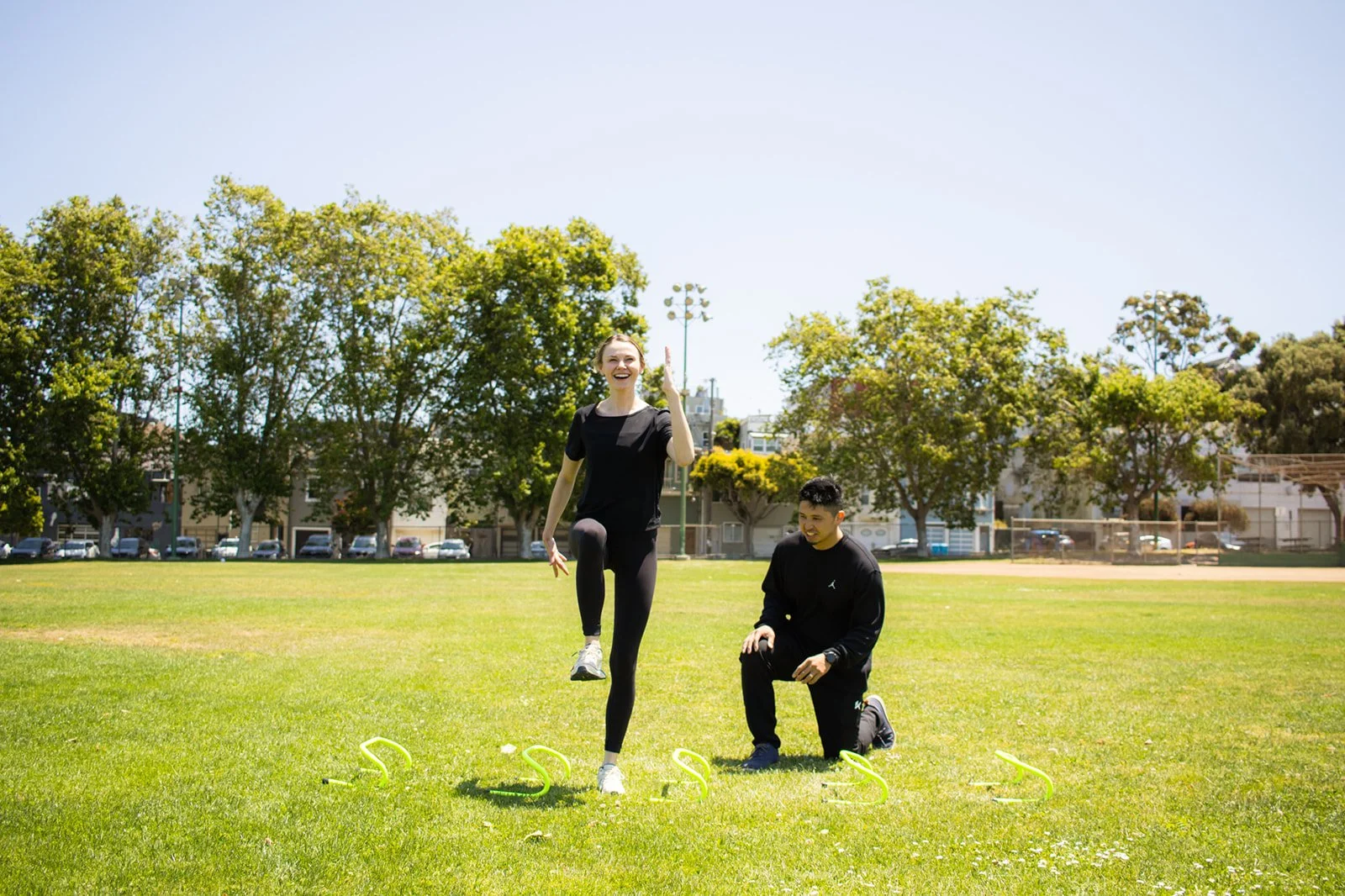
You don't have to compete in the World Cup to benefit from the same training principles that keep your favorite players performing at their best.
Whether you're playing in a Sunday soccer league, training for your first 10K, or squeezing in a workout after work, your muscles, joints, and tendons respond to the same basic principles as elite athletes. The difference isn't that professionals have different bodies. It's that they have developed habits that support their bodies’ needs.
The good news? You don't need a national team training facility to borrow some of their habits. A few simple changes to how you prepare, recover, and train can help you move better, reduce your injury risk, and continue doing the activities you love for years to come.
Warm Up Before Activity
Ever notice that professional athletes are already sweating before the game even starts?
They're not just passing time. They're preparing their bodies for what's about to happen.
A proper warm-up increases blood flow, improves mobility, and wakes up the muscles you'll rely on during your workout. Think of it as giving your body a preview of the movements it's about to perform. The better prepared your muscles and joints are, the better they'll respond once the intensity picks up.
You don't need 45 minutes or an entire soccer field to feel the benefits. Even 10 minutes of dynamic movement before a workout can make a noticeable difference. Try incorporating exercises like:
Open the gate / Close the gate
Scoops
High kicks
Walking lunges with a trunk twist
Arm circles
If you're heading to the gym after sitting at a desk all day, your goal isn't to get tired before your workout. It's simply to wake your body up.
The best warm-up is the one that's built around what you're actually doing. A physical therapist can help identify which muscles need the most attention and create a routine that's personalized to your sport or fitness goals.
Recovery Is Part of Training
One of the biggest misconceptions in fitness is that progress only happens during your workouts.
It doesn't.
The real adaptations happen afterward.
Sleep, nutrition, hydration, and rest days are what allow your body to repair damaged tissue, rebuild stronger muscles, restore energy, and prepare for the next training session. Without enough recovery, your performance plateaus and your injury risk climbs.
Even elite athletes prioritize recovery as much as training. Cristiano Ronaldo once said:
"Recovery is more important to me than actual training sessions due to the large number of games I have to play. Winding down and resting is a key part of my day-to-day routine and enables me to perform to the highest level in my profession and prolong my career."
That mindset applies whether you're playing in front of 80,000 fans or fitting in workouts around a full-time job.
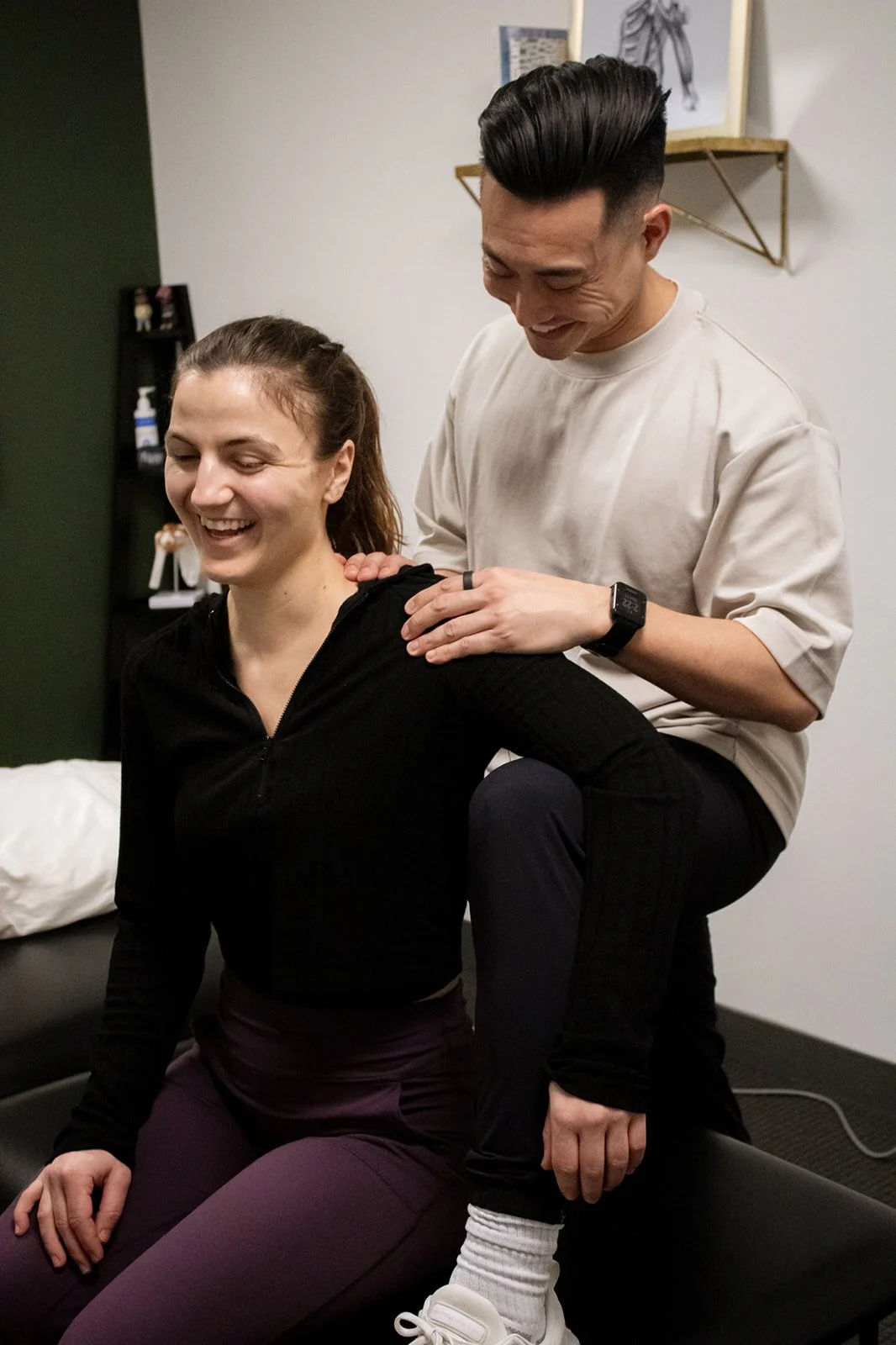
Recovery isn't just about your muscles, either. Your nervous system is constantly balancing between "fight-or-flight" and "rest-and-digest." Long workdays, family responsibilities, poor sleep, and hard workouts all place demands on the same system. Your body doesn't separate stress from the office and stress from the gym.
If recovery continues to feel like an uphill battle, physical therapy can provide more targeted strategies through movement assessment, manual therapy, and recovery techniques tailored to your needs.
Strength Training Prevents Injuries
A World Cup athlete’s explosive movements on the field are built by accident.
A huge part of their training happens long before they ever touch a soccer ball.
Strength training isn't just about building muscle. It's about building a body that can tolerate the demands you place on it.
Christian Pulisic, starter for the US Men’s National Team, emphasized this behind-the-scenes work by sharing:
"Every morning, before I start my training session, I meet some of the guys in the gym... And I have different programs that I go through; working on strengthening, working on elastic bands, and making sure I’m sharp and ready to go... I think it’s been really important for me to make sure that my muscles are ready. So, it’s a lot of work that goes in during the week that helps me for sure."
You don't have to train like a professional to experience the same benefits.
Two strength sessions each week can improve bone density, build stronger muscles, and provide better support for your joints. That means less stress on your knees, hips, and ankles every time you run, jump, or change direction.
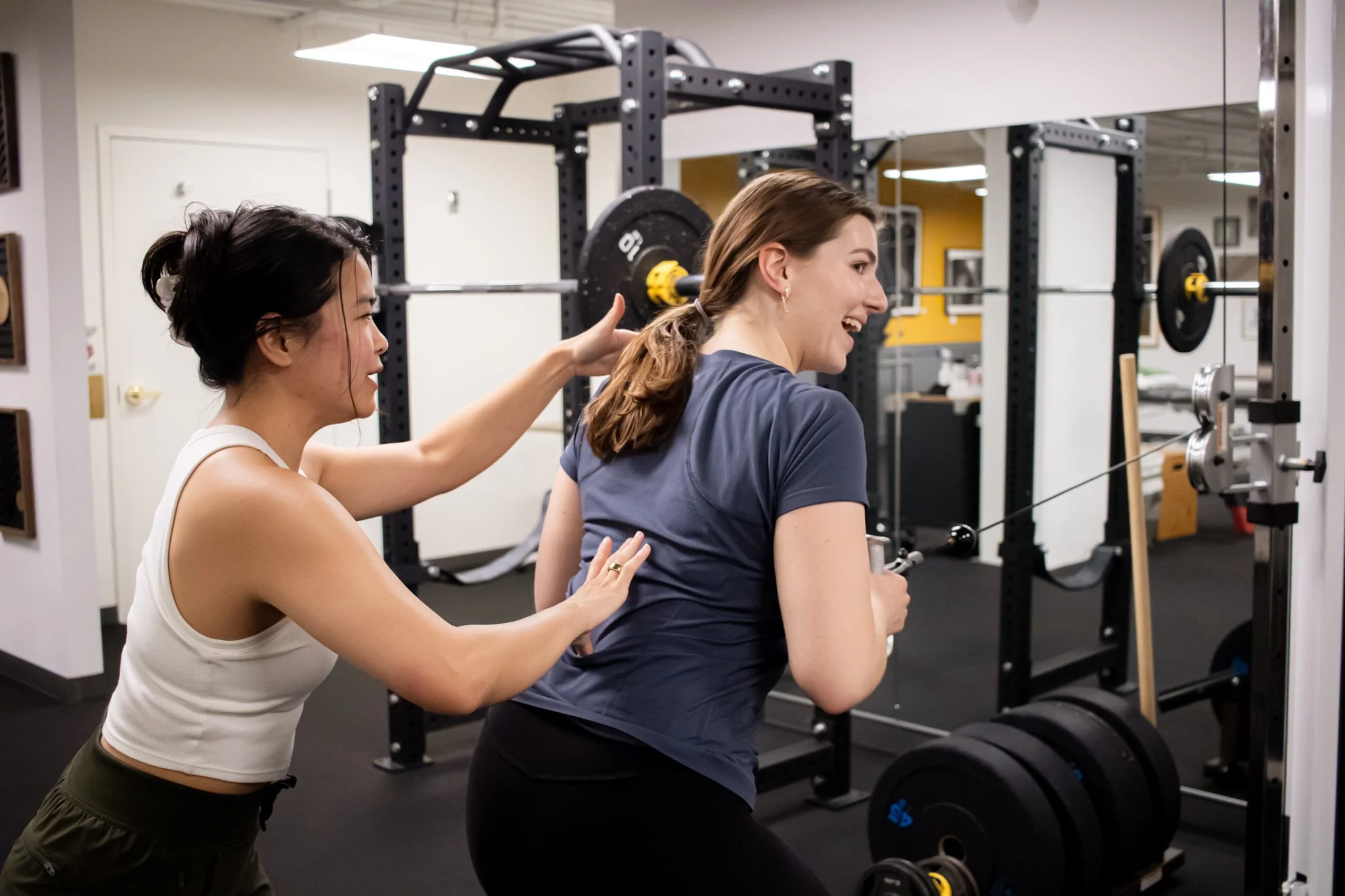
Focus on simple movements like squats, lunges, calf raises, shoulder presses, and rows. You don't need complicated workouts; you need consistency.
If you're unsure where to start, a physical therapist can identify movement deficits and build a program around your goals before those small weaknesses become bigger problems.
Don't Ignore Small Aches and Pains
Pain is rarely something that appears out of nowhere.
More often, it's your body's first warning sign that something isn't working as well as it should.
A sore Achilles. A nagging knee. Tightness that never seems to go away. These issues often start small before gradually becoming injuries that force you to stop altogether.
Addressing discomfort early is one of the simplest ways to stay active long term. Sometimes that means modifying your workouts for a few days. Sometimes it means improving your movement mechanics. Sometimes it means getting evaluated by a physical therapist before a minor issue becomes a major setback.
The goal isn't to stop training. It's to keep training.
Consistency Beats Occasional Intensity
Weekend warriors often fall into the same cycle.
Little movement during the week. One massive workout on the weekend. Repeat.
The problem is that your body never has enough time to adapt before it's asked to do too much again.
Professional athletes don't stay fit because they have one incredible workout. They stay fit because they consistently show up day after day.
The same principle applies to everyone else.
Instead of saving all your activity for one long workout, look for opportunities to move throughout the week. A 30-minute strength session, a brisk walk, a short mobility routine, or a quick bodyweight workout all help your body stay prepared for the next challenge.
Fitness isn't built in one great workout. It's built through hundreds of good ones.
Ready to Start Thinking Like a Professional Athlete?
Whether you’re dealing with a stubborn ache that won't go away, looking to perfect your dynamic warm-up, or ready to structure your training and recovery like a pro, our team is here to help.
Book an evaluation with Graspmore PT today. Let’s take the guesswork out of your fitness routine so you can move, train, and perform at your absolute best!
Citations
1) Bailey, R. (n.d.). Cristiano Ronaldo’s Incredible Post-Match Ritual Revealed. Bleacher Report. https://bleacherreport.com/articles/1907414-cristiano-ronaldos-incredible-post-match-ritual-revealed
2) Bucci, R. (2020, July 8). The importance of warming up. Results Physiotherapy. https://www.resultspt.com/blog/posts/the-importance-of-warming-up
3) Cunningham, S. (2022, February 7). Rest and recovery are critical for an athlete’s physiological and psychological well-being. UCHealth Today; UCHealth. https://www.uchealth.org/today/rest-and-recovery-for-athletes-physiological-psychological-well-being/
4) Mayo Clinic Staff. (2023, April 29). Strength training: Get stronger, leaner, healthier. Mayo Clinic. https://www.mayoclinic.org/healthy-lifestyle/fitness/in-depth/strength-training/art-20046670