
Run First, Coffee Second: Your San Francisco Running & Fueling Playbook
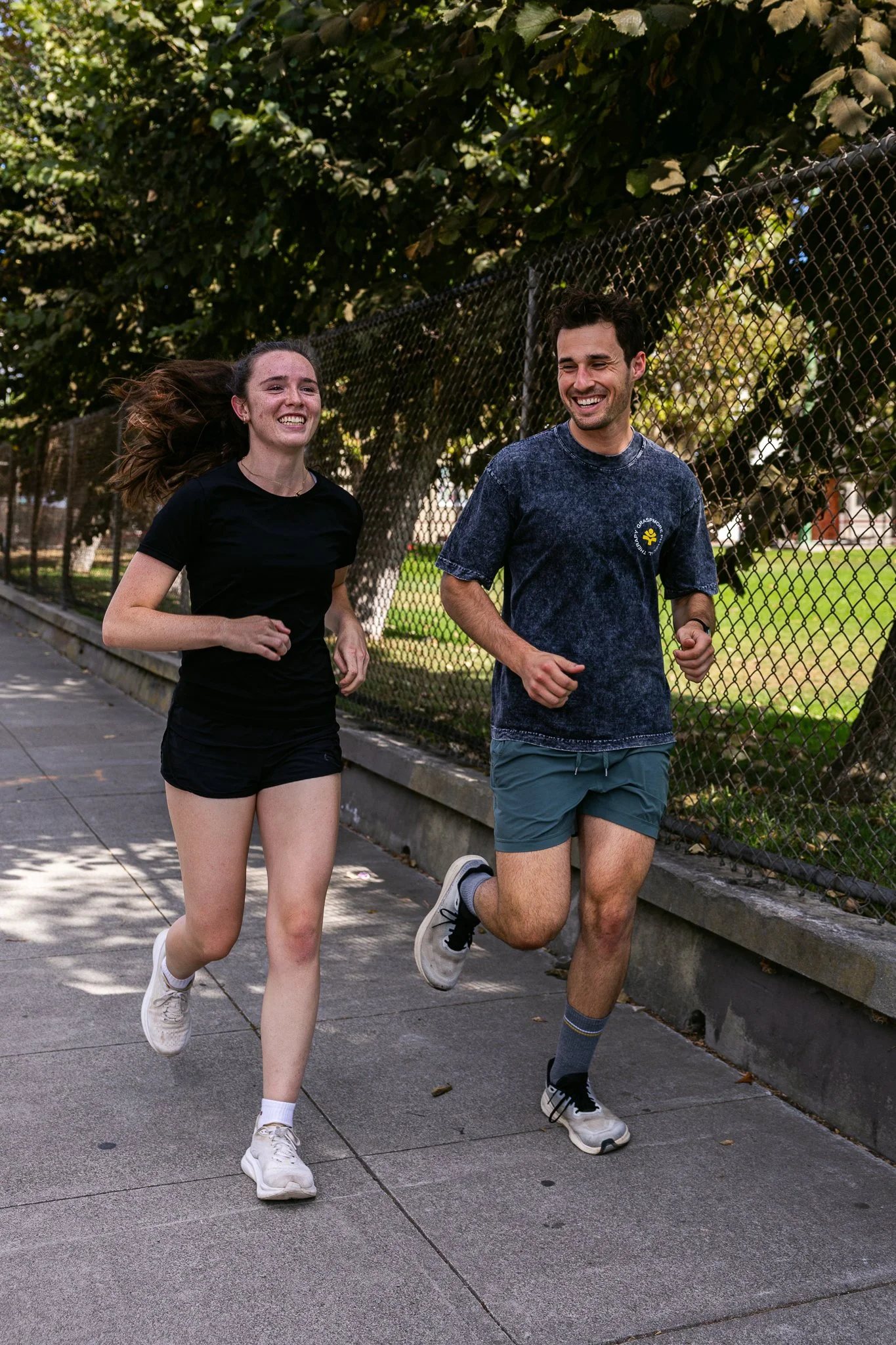
Running is the new craze; it feels like everyone you meet is in a run club, training for a marathon, or wants to start running. With so many new runners, Graspmore gets a lot of questions about how to prepare for a run, where to run, recovery, and injury prevention. Here’s a brief guide to running in San Francisco for beginners and veterans alike.
Getting Going
Whatever time of day you run, there are two important parts to prepare for a run: warmup and fueling.
For warmup, focus your attention on activation drills to get blood flow to your muscles. Stretching is good if you have a particularly tight muscle, but otherwise it does not prevent injury or help you warmup as much as activation exercises*. Some suggested warmup exercises include:
Bridges
Calf raises
Wall drivers
Double leg pogo jumps
Aim to spend about 5-10 mins warming up and getting ready to go.
Runners are notorious for underfueling. We burn through carbs like a wildfire, and aerobic activity can prevent muscle synthesis if you don’t get enough protein.
Around 15-30 minutes before you run, aim to have a light snack of easily digestible carbs, such as oatmeal, fruit, or an energy gel (I prefer SiS or GU gels - they sit well in my stomach). This helps to prevent depletion of fuel stores and muscle breakdown*. This is a non-negotiable. For runs over 60 minutes, bring an energy gel with you – the less “energy debt” your body goes into, the easier it is to recover and adapt.
Since I’m a heavy sweater, 30-45 minutes before a run, I try to have some electrolytes. It’s always humid here, so even if you don’t think of yourself as a heavy sweater, the humidity will dehydrate you a bit, which makes your heart work harder. Make sure you get salt in before and after your run!
Where to Run
As a coffee fanatic, no run is complete without a post-workout caffeine fix. To help you fuel your next outing, here are my top routes that loop right by my favorite coffee spots.
Crissy Field + Presidio (click for route)
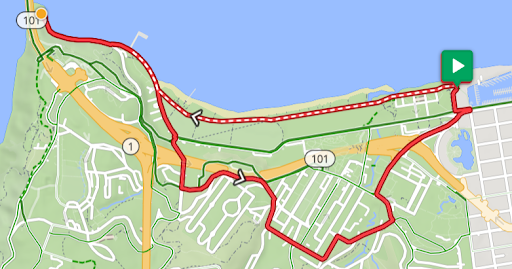
Unbeatable views, a mix of dirt and pavement showing off the best of San Francisco. Easy to get to Equator Coffees afterwards, a well-known classic.
GGP Loop (click for route)
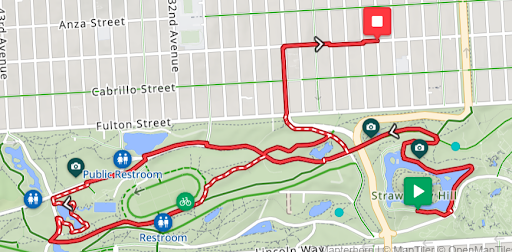
My favorite bits of Golden Gate Park in one run, ending at The Coffee Movement, my OG go-to when I moved to SF. Grab a brew and walk back to Blue Heron Lake as a cooldown
Embarcadero to Crissy Field (click for route)
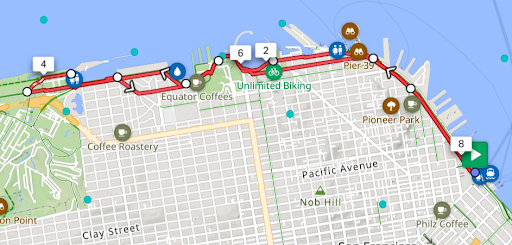
Not originality points for this one–it’s purely for the coffee. Ending at the Ferry Building, you’re just blocks away from three of my favorite cafes: Paper Son, SPRO Coffee Lab, and St. Franks. Plus, you get some pretty nice views of the Bay, and it's easily modifiable to go shorter/longer. Go in the morning, or you’ll be dodging crowds!
Post Run
Within 1–2 hours post-run, consume 20–40g of protein alongside complex carbs (like rice or sweet potatoes). Having carbs AND protein helps your body absorb the protein easier. Skipping this hinders recovery—studies show running can cause muscle breakdown without adequate protein, leading to weaker muscles and worse performance.
To prevent injury between runs, don't overlook heavy, targeted strength training. It builds joint stability, neuromuscular efficiency, running economy, and power to improve running economy with every stride*. After 15 years of running, adding strength training a few years ago made a huge difference for me!
At Graspmore, we specialize in bridging the gap between training, rehab, and performance to get the best out of you. Whether you’re coming in to rehab a nagging injury or get a running analysis, we can help you fine-tune your strength training and any part of your running routine to help you get the results you want! Running can be a complicated, nuanced training process – let our doctors of physical therapy help guide and educate you!